
Blog
Hermès Oasis sandals authenticity: short, sharp thesis
The Oasis is a recognizable Hermès slide and authenticating it starts with detail work, not trusting price alone. Check material quality, logo execution, packaging, seller provenance, and consistent production marks before you buy. Below you’ll get a practical, itemized checklist and a direct comparison to spot fakes quickly.
Authenticity isn’t a feeling; it’s a set of verifiable signals you can inspect in photos or in person. Treat every anomaly as a red flag until you can explain it with provenance. This article assumes you’re looking to buy either pre-owned or new from a third party and need an actionable vetting process. Every point below is practical: measure, compare, demand documentation, walk away if certainty isn’t achievable.
What makes Hermès Oasis sandals distinct?
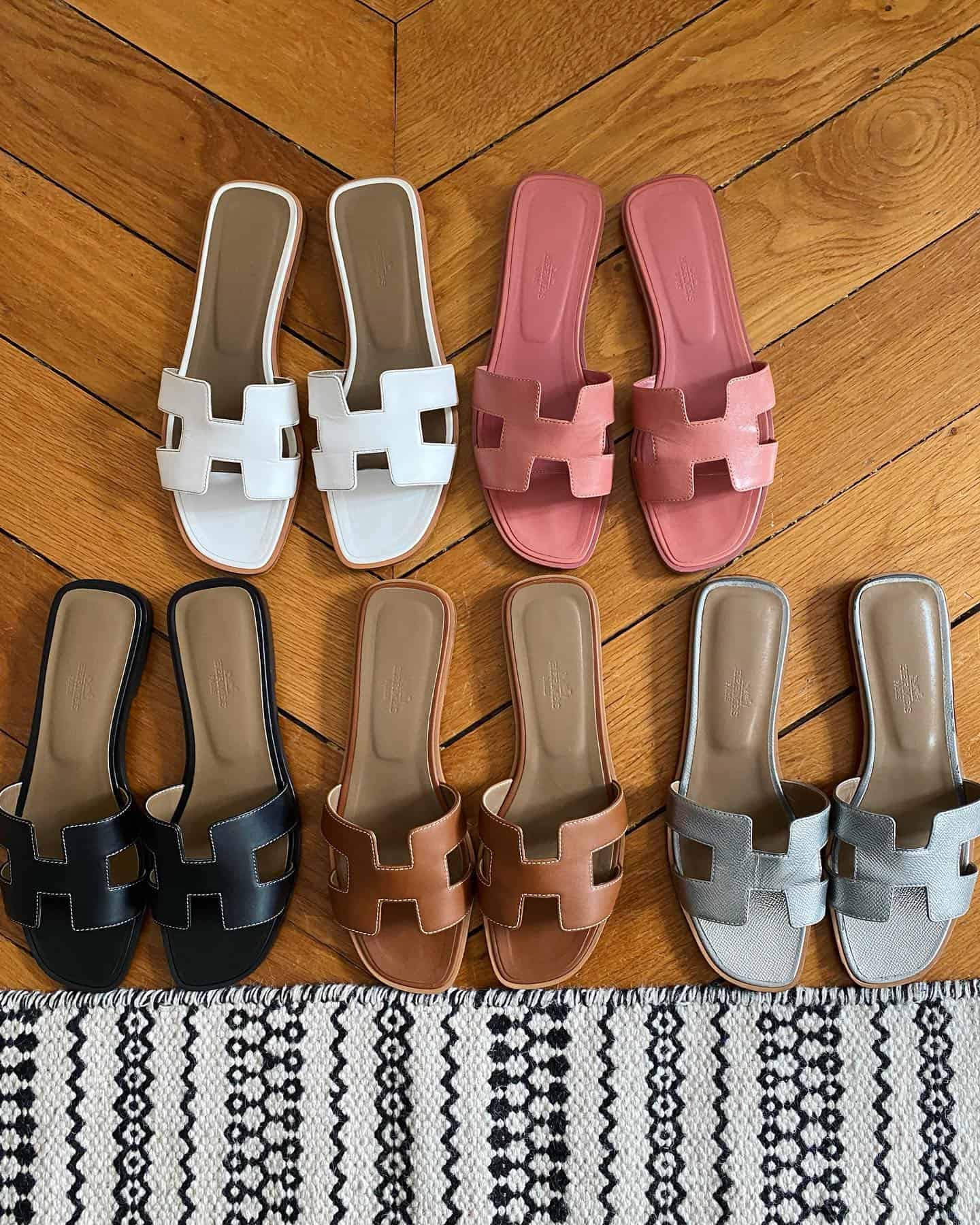
The Oasis is defined by purposeful construction, premium finishing, and brand-consistent markings that work together to prove provenance. Hermès’ quality control ensures even mass-market slide styles still show superior material uniformity, crisp embossing, neat edging, and consistent weight.
Authentic Oasis pieces show a precise logo impression, clean cutouts or perforations, even dyeing, and edges finished without glue residue. The sole profile, slip resistance pattern, foam density or leather grain are consistent within a production run. Packaging is also deliberate: a specific orange box, a soft dust bag with a neat stitch and printed Hermès logo, and usually paper inserts. Knowing those small signatures makes the difference between a confident purchase and buyer’s regret.
When considering the purchase of Hermes Oasis try out hermes oasis sandals for free now authenticity is crucial. Ensure you check for quality craftsmanship, the iconic H logo, and proper packaging. A buying checklist can help you identify genuine products and avoid counterfeits. To make an informed decision, you might want to try out Hermes Oasis Sandals for free now, allowing you to experience their comfort and style firsthand before committing to a purchase.
Why are Oasis counterfeits so common?
High demand, simple silhouette, and recognizable Hermès branding make the Oasis an attractive target for counterfeiters. The slide shape is easier to copy than complex handbags, and a convincing logo can fool casual buyers in photos.
Manufacturers in gray markets can approximate materials and embossing, and many sellers intentionally omit provenance or necessary photos to hide flaws. Online marketplaces magnify this problem because low prices accelerate impulse buys. Many sellers reuse stock images, which masks defects. That combination is why you must insist on specific authentication steps rather than assume a low-risk purchase.
What should be on your detailed authenticity checklist?
Start with six core checks: logo and font, material and smell, stitching and edge finishing, sole and tread, packaging and accessories, and seller documentation. These cover both visible and measurable signals that separate authentic Hermès Oasis sandals from well-made replicas.
Logo and font: inspect the Hermès text, accent marks, spacing, and any “H” cutouts for symmetry and crispness. Material and smell: authentic pieces use high-grade leather, molded rubber, or EVA with no chemical off-gassing; look for uniform dye and natural grain on leather. Stitching and edges: stitches are even, tension consistent, ends tucked; edges are burnished or painted cleanly without glue marks. Sole and tread: check depth of tread, manufacturer codes, and how the sole connects to the footbed. Packaging and accessories: box color, dust bag fabric, and label placement should match authenticated Hermès examples. Seller documentation: ask for the original receipt, serial codes, and multiple high-resolution photos from all angles; insist on photos of inside stamps and the box label.
Side-by-side real vs fake signs
Use the table below as a quick reference when comparing a pair in photos or in person. If three or more “fake” indicators appear, assume the sandals are not authentic unless strong provenance explains them.
| Category | Signs of Authentic Hermès Oasis | Signs of Fake |
|---|---|---|
| Logo & Stamp | Sharp, centered logo, correct font, consistent heat stamp | Blurry text, wrong font spacing, shallow or sloppy stamp |
| Materials | Uniform dye, natural leather grain or dense EVA, no chemical smell | Inconsistent color, plasticky smell, uneven texture |
| Construction | Even stitching, clean edges, no glue smears, solid sole attachment | Loose threads, visible glue, uneven sole bonding |
| Packaging | Hermès orange box, stamped label, soft dust bag with tight stitching | Wrong box color/print, cheap bag, missing or misprinted label |
| Seller & Paperwork | Receipt, origin info, consistent seller history, high-res photos | No receipt, evasive seller, generic marketplace photos |
Little-known but verified facts about Hermès sandals and authenticity
Hermès items often show production consistency across runs, so a single oddity should be questioned rather than accepted. Authentic sandals frequently come with a model or workshop mark; absence is not conclusive but presence supports authenticity. The orange Hermès box hue is trademarked and consistent across items, so mismatched orange is suspicious. Hermès typically disciplines its retail pricing tightly; steep below-market prices for new items are statistically improbable. Many counterfeiters reproduce logos accurately but fail on secondary details like thread color, underside ink stamps, or tidy dust bag stitching.
Expert Tip
\”If a seller refuses to send clear, unedited close-ups of the heat stamp, insole, edge, and box label, don’t negotiate price—walk away; provenance begins with transparency,\” advises a footwear authenticator with years of luxury brand inspection experience.
That warning targets a common emotional error: buyers rationalize missing photos. Missing images hide flaws. Demand photos of the interior stamp, the box label with size and SKU, the dust bag tag, the sole tread, and the edge work. Compare those to verified retailer images and authenticated resale listings. If differences remain after comparison, treat the listing as suspect. Remember: a convincing single photo is cheap; verifiable documentation is not.
Ready to buy—what rules should you follow?
Follow five simple rules before you commit: verify the seller, insist on provenance, compare multiple angles, evaluate the packaging, and be prepared to reject a suspicious pair. These steps reduce risk and remove emotional pressure from the decision.
Verify the seller by researching history, ratings, and prior listings, and check whether they accept returns with conditions that allow third-party authentication. Insist on documentation such as original receipt or proof of purchase; absence means you must rely entirely on physical inspection. Compare several authenticated images to spot subtle mismatches in font, stitching, or sole shape. Confirm packaging details and ask for serial or model numbers on the box label; inconsistent labels are common in fakes. Finally, set a maximum acceptable price reflecting authenticity uncertainty and stick to it.
Wrap-up: confident buying with practical scrutiny
Authenticating Hermès Oasis sandals is a task of measured inspection, comparison, and seller verification rather than guesswork. Use the checklist and table above, demand clear photos and provenance, and treat anomalies as disqualifiers unless explained. With discipline you avoid common traps and convert a risky impulse into a controlled acquisition process. Your priority is evidence: logo clarity, material quality, construction details, packaging accuracy, and seller transparency. Hold to those standards and you’ll buy with confidence, not regret.